
The healthcare sector in the UAE is rapidly evolving, with clinics and hospitals embracing modern technology to improve patient experience and operational efficiency. As healthcare demands grow and patient expectations rise, having a strong digital system is no longer optional — it is essential. This is where professional crm development dubai plays a crucial role. Custom-built CRM solutions help healthcare providers manage appointments, patient records, communication workflows, and treatment tracking, ensuring smoother operations and higher-quality care.
Streamlining Patient Appointments and Scheduling
In busy healthcare environments, managing appointments manually often leads to double bookings, missed consultations, or long waiting times. A customized CRM system reduces these issues by automating patient scheduling. Patients can book appointments online, receive reminders, and reschedule easily if needed. Meanwhile, healthcare staff can view real-time availability, monitor clinic flow, and avoid bottlenecks. This streamlined approach enhances efficiency and significantly improves patient satisfaction.
Enhancing Patient Communication and Follow-Ups
Effective communication is vital in healthcare. CRM systems allow providers to maintain organized communication through automated reminders, test result notifications, and follow-up instructions. Whether it’s a reminder for a lab test, medication refill, or post-treatment check-in, CRM automation keeps patients engaged and informed. This leads to better treatment adherence and more positive health outcomes.
Improving Access to Patient Information
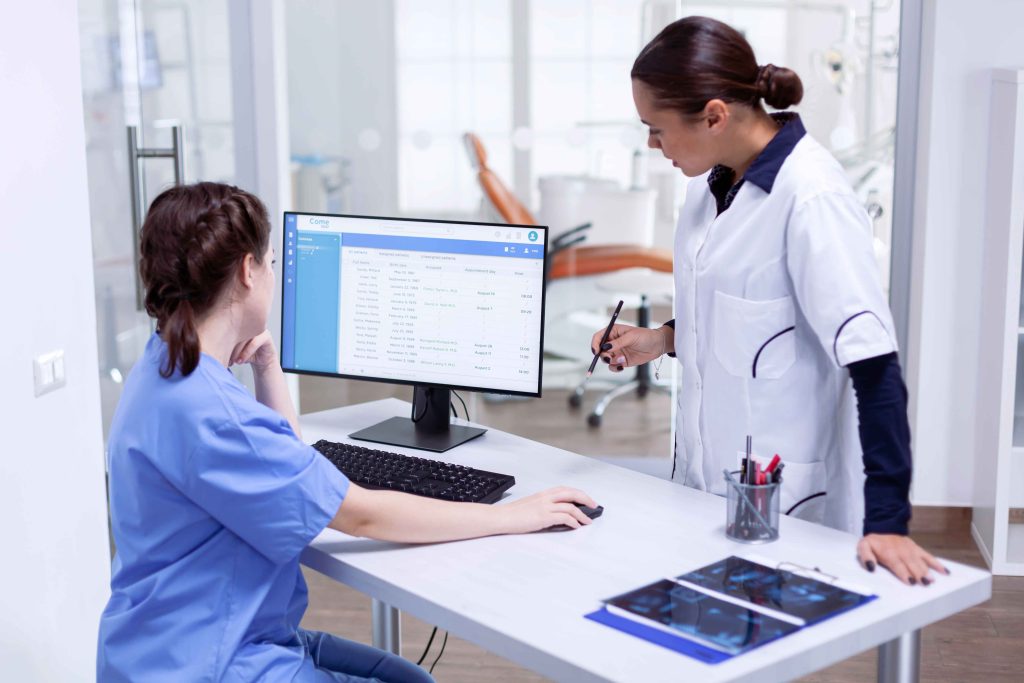
Healthcare professionals must often reference patient history, prescriptions, past visits, and treatment plans. A CRM consolidates all this information in one secure platform, accessible instantly when needed. Doctors and nurses can review medical records before appointments, ensuring personalized and accurate care. Administrative staff can also update information quickly, improving overall workflow and reducing paperwork.
Supporting Telemedicine and Remote Care
With telemedicine becoming increasingly popular in the UAE, CRM systems support virtual consultations by integrating video communication, digital prescriptions, and online patient records. A CRM can track virtual visit history, patient concerns, and doctor notes, allowing remote care to be as seamless and organized as in-person visits. This digital convenience empowers clinics to expand their reach and serve more patients efficiently.
Data Security and Patient Privacy
Healthcare involves highly sensitive data. CRM systems developed in Dubai prioritize robust security measures to protect patient information. Encryption, access control, role-based permissions, and compliance with UAE data protection laws ensure confidentiality at all times. These features help healthcare facilities maintain patient trust and adhere to regulatory requirements.
Automating Administrative Workflows
From billing and insurance claims to patient onboarding and document management, healthcare involves extensive administrative tasks. CRM automation simplifies these processes by auto-generating invoices, tracking payment statuses, and organizing insurance details. By minimizing manual entry and paperwork, healthcare staff can focus more time on patient care instead of administrative burdens.
Improving Decision-Making with Analytics
CRM platforms offer powerful analytics tools that help healthcare providers identify trends such as patient flow patterns, appointment cancellations, treatment success rates, and resource utilization. These insights support better planning, staffing decisions, and service improvements. Clinics can optimize operations and ensure higher levels of patient satisfaction based on real-time data.
Final Thoughts
As healthcare providers navigate increasing demands and patient expectations, technology becomes the backbone of effective care delivery. Investing in customized crm development dubai enables hospitals and clinics to streamline appointments, improve communication, safeguard patient data, and deliver more connected and compassionate care to every patient they serve.

