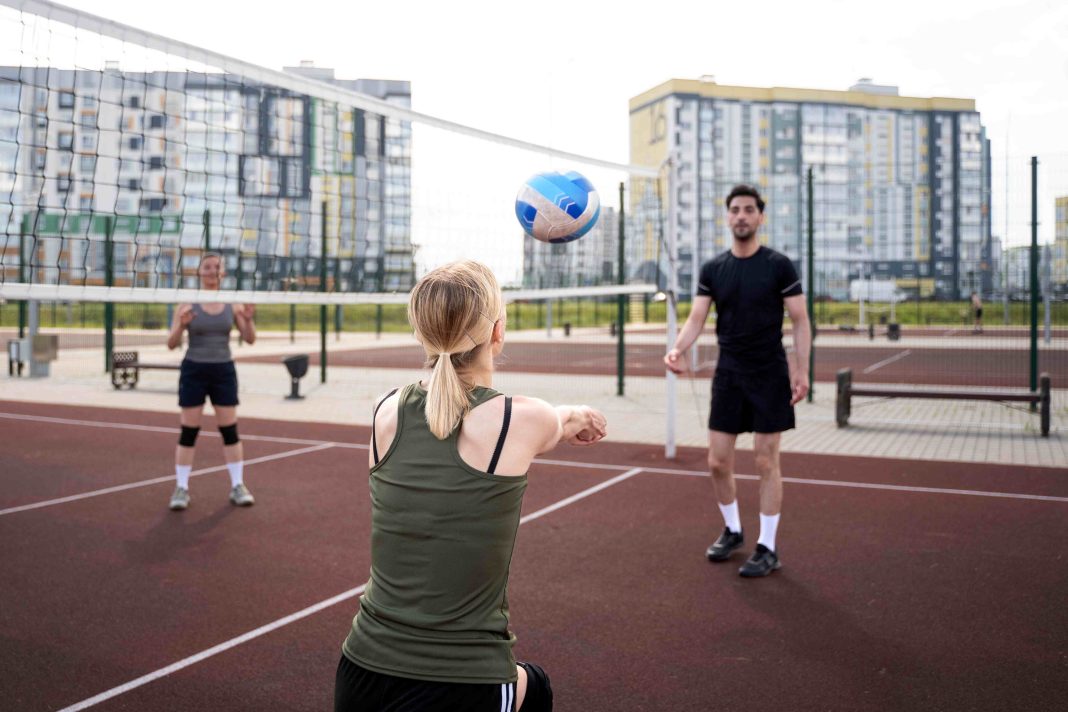
A professionally designed sand volleyball court is more than just a rectangle filled with sand, it is a carefully engineered sports facility built to deliver safety, durability, and exceptional playing performance. From selecting the right type of sand to designing an efficient drainage system and installing professional-grade equipment, every detail contributes to the quality and longevity of the court.
As the UAE continues to invest in sports infrastructure, tourism, education, and community wellness, sand volleyball courts have become a popular addition to hotels, beach clubs, schools, universities, sports academies, residential developments, and public parks. Their versatility, relatively low maintenance, and appeal to both recreational and competitive players make them an excellent investment for organizations seeking to promote active lifestyles.
However, constructing a high-quality sand volleyball court in the UAE requires more than simply importing sand. Extreme temperatures, UV exposure, shifting ground conditions, and occasional heavy rainfall demand specialized engineering, premium materials, and proven construction methods.
This comprehensive guide explains everything you need to know—from planning and design to construction, material selection, and maintenance—helping you build a court that delivers outstanding performance for years to come.
Table of Contents
- What Is a Sand Volleyball Court?
- Why Sand Volleyball Courts Are Growing in the UAE
- Benefits of Installing a Sand Volleyball Court
- Sand Volleyball Court vs. Beach Volleyball Court
- Design Standards and Court Dimensions
- Choosing the Right Sand
- Step-by-Step Sand Volleyball Court Construction Process
- Construction Materials That Ensure Long-Term Performance
- Cost of Building a Sand Volleyball Court in the UAE
- Maintenance Best Practices
- Choosing the Right Contractor
- Why Choose Forsan Alamal Alsarea
- Frequently Asked Questions
What Is a Sand Volleyball Court?
A sand volleyball court is an outdoor volleyball facility constructed with a specially engineered sand playing surface that provides cushioning, shock absorption, and excellent drainage. Unlike traditional indoor volleyball courts that use synthetic sports flooring or hardwood surfaces, sand volleyball courts are designed to reduce impact on players’ joints while creating a challenging and enjoyable playing experience.
Professional sand volleyball courts are commonly installed at:
- Sports clubs
- Beach resorts
- Hotels
- Schools and universities
- Residential communities
- Public parks
- Sports academies
- Corporate recreational facilities
Although sand volleyball and beach volleyball are often used interchangeably, professional court construction focuses on engineering principles that ensure player safety, consistent ball performance, and long-term durability regardless of location.
Why Sand Volleyball Courts Are Becoming Popular in the UAE
The UAE has witnessed remarkable growth in outdoor sports infrastructure over the last decade. Government initiatives promoting healthy lifestyles, expanding tourism projects, and increasing demand for premium recreational facilities have encouraged developers and organizations to invest in modern sports amenities.
A professionally constructed sand volleyball court offers several advantages:
- Encourages community engagement
- Supports recreational and competitive sports
- Enhances hospitality and tourism facilities
- Increases property value
- Promotes wellness and active living
- Provides year-round outdoor recreation opportunities
With proper engineering and quality materials, sand volleyball courts perform exceptionally well in the UAE’s climate while requiring relatively simple maintenance compared to many other outdoor sports facilities.
Benefits of Installing a Sand Volleyball Court
A professionally engineered sand volleyball court delivers benefits that extend well beyond recreation. It provides a safe, durable, and visually appealing sports facility suitable for players of all skill levels.
Improved Player Safety
The sand surface naturally absorbs impact, reducing stress on the knees, ankles, hips, and lower back. This cushioning effect lowers the risk of injuries associated with harder playing surfaces while allowing players to dive, jump, and move confidently.
Excellent Drainage Performance
Unlike conventional courts, professionally constructed sand volleyball courts feature engineered drainage systems that allow rainwater to drain efficiently through the playing surface. This minimizes standing water and helps maintain consistent playing conditions.
Lower Long-Term Maintenance
When built using high-quality materials, sand volleyball courts require relatively low maintenance. Routine grooming, occasional sand replenishment, and equipment inspections are generally sufficient to maintain performance.
Attractive Recreational Facility
Sand volleyball courts create vibrant social spaces that attract families, tourists, students, and athletes. They are particularly popular at resorts, residential communities, and sports clubs looking to offer engaging outdoor activities.
Multi-Purpose Use
Many facilities use sand courts for:
- Volleyball tournaments
- Fitness training
- Youth sports programs
- Community events
- Recreational leagues
- Team-building activities
This flexibility maximizes the return on investment while encouraging greater participation.
Sand Volleyball Court vs. Beach Volleyball Court
Although the two terms are frequently used interchangeably, there are subtle differences depending on the project location and intended use.
| Sand Volleyball Court | Beach Volleyball Court |
| Can be installed anywhere with engineered sand | Typically associated with coastal or beach environments |
| Popular in schools, clubs, and parks | Commonly found at resorts and beachfront locations |
| Designed for recreational or competitive play | Often emphasizes recreational beach sports and tournaments |
| Uses specialized sports-grade sand | Also uses sports-grade sand but often integrates natural surroundings |
Regardless of terminology, both require the same engineering principles, premium sand quality, drainage systems, and professional installation.
Sand Volleyball Court Design Standards
Designing a high-performance sand volleyball court requires careful planning and compliance with internationally recognized volleyball guidelines.
Court Dimensions
Professional sand volleyball courts generally follow these specifications:
- Playing area: 16 m × 8 m
- Safety zone: Minimum 3 meters surrounding the court
- Recommended construction area: Approximately 22 m × 14 m
Adequate clearance around the playing area improves player safety and allows unrestricted movement during matches.
Sand Depth
One of the most critical construction factors is maintaining a consistent sand depth.
Professional installations typically include:
- 40–50 cm of premium sports-grade sand
- Uniform depth throughout the court
- Rounded particles to minimize abrasions
- Low dust content for improved comfort
Insufficient sand depth can increase injury risks and negatively affect gameplay.
Drainage System
An effective drainage system is essential for preserving the quality of the sand surface.
Proper drainage:
- Prevents water accumulation
- Protects the foundation
- Reduces maintenance
- Extends court lifespan
- Improves year-round usability
Court Orientation
Whenever possible, courts should be positioned to reduce direct sun glare and account for prevailing wind directions. Proper orientation enhances visibility and creates a more comfortable playing environment.
Choosing the Right Sand
Not all sand is suitable for volleyball.
Using construction sand, desert sand, or sharp-edged materials can lead to player discomfort, inconsistent ball behavior, poor drainage, and increased maintenance.
Professional sand volleyball court construction typically uses carefully selected washed silica sand with the following characteristics:
Rounded Particle Shape
Rounded particles are gentler on the skin, reducing abrasions when players dive or slide across the surface.
Consistent Grain Size
Uniform particle size creates a stable playing surface while improving ball response and footing.
Excellent Drainage
Properly graded sand allows water to drain quickly through the surface, preventing puddles and preserving playability after rainfall.
Low Dust Content
High-quality washed sand minimizes airborne dust, improving player comfort and reducing maintenance requirements.
Selecting the appropriate sand is one of the most important investments in the long-term success of a sand volleyball court.
Step-by-Step Sand Volleyball Court Construction Process
Constructing a professional sand volleyball court involves multiple engineering stages that ensure long-term performance and player safety.
1. Site Assessment
Engineers evaluate:
- Soil conditions
- Existing drainage
- Ground elevation
- Accessibility
- Utility locations
- Environmental factors
A thorough site assessment helps identify challenges before construction begins.
2. Excavation and Ground Preparation
The site is excavated to accommodate the required foundation layers. Unsuitable soil is removed, and the area is carefully graded to establish proper drainage slopes.
3. Subgrade Compaction
The subgrade is compacted using specialized equipment to create a stable foundation capable of supporting years of use without excessive settlement.
4. Drainage Installation
Perforated drainage pipes and aggregate layers are installed beneath the playing surface to efficiently channel water away from the court.
Proper drainage is particularly important in the UAE, where occasional heavy rainfall can quickly affect poorly designed sports facilities.
5. Base Layer Construction
A graded aggregate base provides structural support while allowing water to move efficiently through the drainage system.
6. Sand Placement
Premium sports-grade silica sand is evenly distributed and laser-leveled to achieve the required depth and consistent playing conditions.
7. Equipment Installation
The final stage includes installing:
- Professional volleyball posts
- Adjustable competition net systems
- Boundary lines
- Protective padding
- Anchoring systems
Corrosion-resistant materials are recommended to withstand prolonged exposure to the UAE’s outdoor environment.
Planning a new sand volleyball court?
Request a Free Site Assessment from Forsan Alamal Alsarea to receive expert recommendations, a customized design proposal, and a detailed quotation tailored to your project requirements.
Construction Materials That Ensure Long-Term Performance
The quality of materials used during sand volleyball court construction has a direct impact on durability, player safety, maintenance requirements, and long-term performance. Investing in premium materials reduces repair costs and ensures the court remains in excellent condition despite the UAE’s harsh climate.
Sports-Grade Silica Sand
The playing surface is the heart of any sand volleyball court. Professional installations use washed sports-grade silica sand specifically selected for athletic performance.
Key characteristics include:
- Rounded particles for enhanced player comfort
- Consistent grain size for stable footing
- Low dust content for a cleaner playing environment
- Excellent drainage properties
- UV-resistant natural composition
Unlike construction or desert sand, sports-grade silica sand minimizes abrasions, reduces compaction, and maintains a consistent playing experience throughout the year.
Geotextile Separation Layer
A geotextile fabric is installed between the drainage layer and the sand to prevent contamination. This layer keeps the sand clean while stopping fine soil particles from migrating upward, helping preserve the court’s performance and reducing maintenance.
Engineered Aggregate Base
A properly compacted crushed stone or aggregate base provides structural stability and supports efficient water drainage. Without a well-designed foundation, uneven settlement can occur, leading to poor drainage and an inconsistent playing surface.
Professional Volleyball Equipment
High-quality equipment enhances both safety and durability. Commercial-grade installations typically include:
- Hot-dip galvanized or powder-coated steel posts
- Adjustable competition net systems
- UV-resistant boundary lines
- Protective post padding
- Heavy-duty ground anchors
These components are designed to withstand prolonged exposure to sunlight, humidity, and outdoor conditions commonly experienced across the UAE.
Cost of Building a Sand Volleyball Court in the UAE
One of the most common questions clients ask is:
How much does a sand volleyball court cost in the UAE?
The answer depends on the project’s scope, site conditions, and the specifications required. Rather than focusing on a fixed price, it is more useful to understand the factors that influence the overall investment.
Site Preparation
If the construction site requires excavation, soil stabilization, or grading, these activities will affect the project budget. Sites with uneven terrain or poor soil conditions typically require additional engineering work.
Court Dimensions
While regulation-size courts follow international dimensions, projects may include multiple courts, spectator areas, walkways, or landscaped surroundings, all of which contribute to the total cost.
Sand Quality
Premium sports-grade silica sand represents a significant investment but delivers superior drainage, player comfort, and long-term durability. Choosing lower-quality sand may reduce initial costs but often results in increased maintenance and earlier replacement.
Drainage System
A professionally engineered drainage system is one of the most important components of the project. Investing in proper drainage helps protect the playing surface and minimizes future maintenance expenses.
Sports Equipment
Commercial-grade volleyball posts, adjustable nets, boundary lines, and safety padding are designed for long-term outdoor use and should be selected based on the expected level of play.
Optional Enhancements
Many organizations choose to incorporate additional features such as:
- LED sports lighting
- Spectator seating
- Shade structures
- Perimeter fencing
- Player benches
- Storage units
- Landscaping
- Decorative paving
- Scoreboards
These additions improve functionality and create a more complete sports facility.
Looking for a detailed project estimate?
Contact Forsan Alamal Alsarea for a customized quotation based on your site conditions, design preferences, and project objectives.
Maintenance Best Practices
Although a professionally installed sand volleyball court requires relatively low maintenance, routine care is essential for preserving its appearance, safety, and performance.
Regular Sand Grooming
Frequent leveling helps maintain a smooth, even playing surface while preventing the formation of low spots caused by player movement.
Sand Replenishment
Wind, heavy usage, and natural settlement gradually reduce the sand depth. Periodic replenishment ensures the court continues to meet recommended playing standards.
Surface Cleaning
Removing leaves, litter, and other debris prevents contamination and keeps the playing surface clean and safe.
Equipment Inspections
Regular inspections should include:
- Net tension
- Volleyball posts
- Protective padding
- Ground anchors
- Boundary lines
Any damaged components should be repaired or replaced promptly.
Drainage System Maintenance
Drainage outlets and pipes should be checked periodically to ensure water flows freely beneath the court. Preventive maintenance significantly extends the lifespan of the facility.
Common Mistakes to Avoid During Sand Volleyball Court Construction
Many construction issues can be avoided through proper planning and experienced project management.
Using Low-Quality Sand
Unsuitable sand often contains sharp particles, excessive dust, or inconsistent grain sizes that reduce player comfort and increase maintenance.
Ignoring Drainage Requirements
Poor drainage is one of the leading causes of court deterioration. Water accumulation can contaminate the sand, weaken the foundation, and shorten the facility’s lifespan.
Insufficient Sand Depth
Shallow sand increases the risk of injuries and negatively affects player performance.
Improper Site Preparation
Inadequate excavation or poor compaction may lead to uneven settlement and costly repairs after construction.
Hiring General Contractors Instead of Sports Specialists
Sports facilities require specialized engineering knowledge. Working with experienced sports construction professionals ensures compliance with industry standards and delivers better long-term value.
Choosing the Right Sand Volleyball Court Contractor
The success of any sand volleyball court project depends on selecting a contractor with proven experience in sports facility construction.
Before making your decision, evaluate the following:
Industry Experience
Choose a contractor with a portfolio of sports infrastructure projects and a strong understanding of outdoor court construction.
Technical Expertise
A qualified contractor should understand:
- Sports court engineering
- Foundation design
- Drainage systems
- Material selection
- Equipment installation
- Performance and safety requirements
Turnkey Project Delivery
Working with a turnkey contractor simplifies project execution by managing every stage—from design and engineering to construction, equipment installation, and final handover.
Quality Assurance
Ask about material specifications, construction methods, warranties, and post-installation support to ensure long-term performance.
Why Choose Forsan Alamal Alsarea?
At Forsan Alamal Alsarea, we specialize in delivering world-class sports construction solutions across the UAE. Our experienced engineering team designs and builds sports facilities that combine durability, functionality, and outstanding athletic performance.
Our sand volleyball court solutions include:
- Professional site assessment
- Custom court design
- Excavation and earthworks
- Advanced drainage systems
- Premium sports-grade silica sand
- Professional volleyball equipment installation
- Turnkey project management
- Ongoing maintenance guidance
Beyond sand volleyball courts, we also provide comprehensive solutions for:
- Volleyball Court Construction
- Football Field Construction
- Padel Court Construction
- Running Track Construction
- Sports Flooring Systems
- Sports Equipment Installation
From schools and universities to luxury resorts, sports clubs, municipalities, and residential developments, our team delivers customized solutions that meet the highest standards of quality and performance.
Ready to build a professional sand volleyball court?
Speak with our engineering team today to schedule a site inspection, discuss your project requirements, and receive a tailored proposal designed for your facility.
Conclusion
A professionally designed sand volleyball court is a long-term investment that supports recreation, competition, and community engagement. While the playing surface appears simple, every construction stage—from site preparation and drainage engineering to sand selection and equipment installation—plays a vital role in creating a safe, durable, and high-performing sports facility.
By choosing premium materials, following proven construction methods, and partnering with an experienced sports contractor, you can develop a court that withstands the UAE’s demanding climate while delivering exceptional playing conditions for years to come.
Whether your project involves a school, resort, sports club, residential community, or commercial development, Forsan Alamal Alsarea offers turnkey sand volleyball court construction solutions tailored to your goals, budget, and site conditions.
Frequently Asked Questions
1. What is a sand volleyball court?
A sand volleyball court is an outdoor volleyball facility with a specially engineered sand surface designed to provide player safety, shock absorption, and excellent drainage for recreational and competitive play.
2. What are the standard dimensions of a sand volleyball court?
A regulation court has a 16 × 8-meter playing area with a minimum 3-meter free zone around all sides to ensure safe movement during play.
3. What type of sand is best for a sand volleyball court?
Washed sports-grade silica sand with rounded particles and consistent grain size is recommended because it offers superior comfort, drainage, and durability compared to ordinary construction or desert sand.
4. Does a sand volleyball court require a drainage system?
Yes. An engineered drainage system prevents water accumulation, protects the foundation, and keeps the court playable after rainfall.
5. How long does it take to construct a sand volleyball court?
Construction timelines depend on site conditions, project complexity, and weather. After a professional site assessment, your contractor can provide an accurate project schedule.
6. What affects the cost of building a sand volleyball court?
Key factors include site preparation, court dimensions, drainage requirements, sand quality, sports equipment, lighting, fencing, and optional amenities.
7. How often should a sand volleyball court be maintained?
Routine maintenance such as sand grooming, debris removal, equipment inspections, and occasional sand replenishment helps maintain safety and performance throughout the year.
8. Why should I choose a specialist sports court contractor?
Specialist contractors understand sports facility engineering, construction standards, drainage design, and material selection, ensuring a safer, longer-lasting, and higher-performing court.

